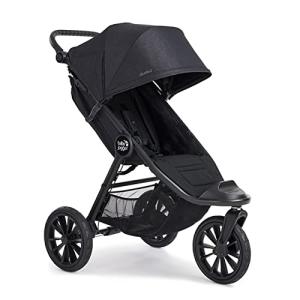
A Comprehensive Guide to Prams and Pushchairs: Choosing the Right Option for Your Little One
As new moms and dads embark on their journey of nurturing and taking care of a baby, one of the first essential purchases they require to consider is a pram or pushchair. With a myriad of options available in the market, it can be overwhelming to decide which one is best matched for their way of life and needs. This short article supplies a thorough look at prams and pushchairs, their distinctions, functions to think about, and answers to frequently asked concerns.
Prams vs. Pushchairs: Understanding the Differences
| Function | Prams | Pushchairs |
|---|---|---|
| Orientation | Normally face outside | Typically face inward, enabling moms and dad interaction |
| Age Suitability | Appropriate for newborns and babies | Created primarily for toddlers |
| Style | Flat, bassinet-style | Reclining seats for older kids |
| Portability | Bulkier, less portable | Normally lighter and more compact |
| Accessories | Frequently featured a carrycot | Might have a seat liner and canopies |
The Key Differences
While lots of people utilize the terms "pram" and "pushchair" interchangeably, they refer to various items developed for specific functions.
- Prams: Prams are specifically designed for newborns and babies, providing a flat, comfy area for the baby to rest. The bassinet-like shape is particularly important for the appropriate development of a newborn's spine.
- Pushchairs: Pushchairs are developed for older babies and toddlers who can sit up separately. They usually have a reclining seat that permits young children to sit up easily while still having the ability to lie back when needed.
Comprehending these differences is essential in making an informed purchase for your child's requirements.
Functions to Consider When Buying Prams and Pushchairs
When looking for the right pram or pushchair, it's important to think about features that suit both the child and the caregiver. Here's a list of critical features to assess:
Safety Features
- Five-point harness
- Reflective products for exposure
- Lockable wheels
Convenience
- Cushioning and support for the kid
- Adjustable handlebars for parent comfort
- Suspension for smoother rides
Portability
- Weight of the pram or pushchair
- Alleviate of folding and unfolding
- Size when folded for storage
Storage Options
- Underseat baskets
- Parent-friendly compartments (cup holders, phone holders)
- Ability to attach additional storage
Resilience
- Tough products that can withstand wear and tear
- Weather-resistant fabrics for various environments
Comparing Styles: A Closer Look
| Design | Pros | Cons |
|---|---|---|
| Standard Prams | Outstanding for newborns, Stylish, Good for long strolls | Bulky, may not fit in smaller automobiles |
| Umbrella Pushchairs | Lightweight, Easy to fold, Portable | Less convenience, Limited functions for newborns |
| Jogging Strollers | Great for active moms and dads, Sturdy and resilient | Much heavier, Can be less steady for babies |
| Travel Systems | Consists of safety seat, Versatile | Normally heavier than a standalone option |
Frequently Asked Questions (FAQ)
1. At what age can I transition my baby from a pram to a pushchair?
The majority of babies can shift to a pushchair between 6 to 12 months old, depending upon their capability to sit up individually. It's vital to examine your kid's developmental milestones before making the modification.
2. Can I utilize a pushchair for newborns?
While some pushchairs have a reclining function ideal for babies, it is generally suggested to use a pram or a carrycot accessory for newborns to ensure correct assistance for their developing spinal column.
3. How do I tidy my pram or pushchair?
The majority of prams and pushchairs included detachable, machine-washable covers. Constantly examine the maker's directions for particular cleaning recommendations to make sure that you do not harm any mechanisms or materials.
4. What is a travel system, and is it required?
A travel system is a set that includes a stroller and a safety seat that can be connected to the stroller for benefit. While not needed, it can be really effective for parents who regularly transition in between car travel and walking.
5. How do I pick the very best pram or pushchair for my lifestyle?
Consider your day-to-day activities and environmental conditions. For active parents, a jogging stroller may be preferable, while city occupants might prefer a lightweight umbrella stroller that's simple to maneuver.
Choosing the right pram or pushchair is a considerable decision for new moms and dads. Considering elements like safety, convenience, portability, and lifestyle can help direct them to the best choice. Whether Pushchairs And Prams streamlined pram for walking through parks or a sturdy pushchair for browsing urban landscapes, parents can find a choice that matches their family's needs.
With a clearer understanding of prams and pushchairs, parents can make a notified decision, making sure a comfortable and safe trip for their child. Invest the time to choose sensibly, as this is among the important tools that will accompany your family on countless adventures in the years to come.